
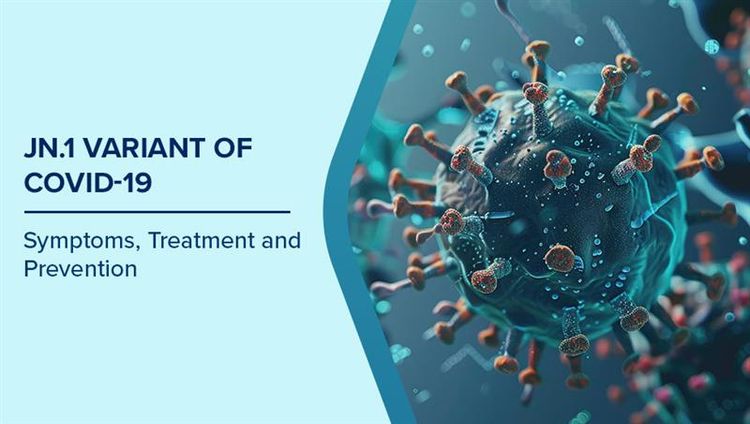

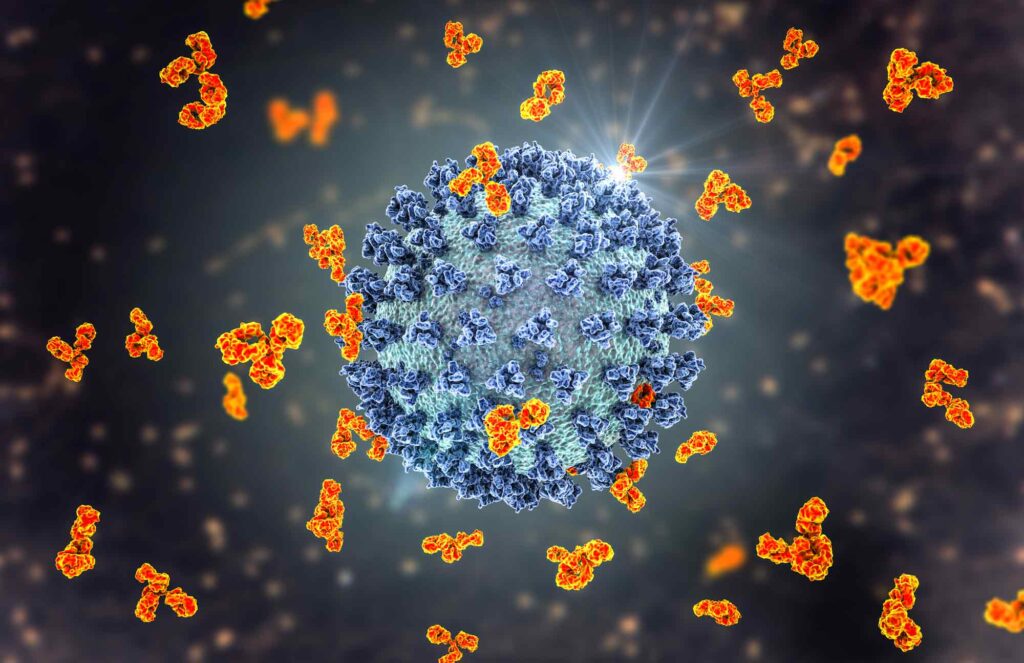
Covid JN 1 Variant – India is witnessing a fresh uptick in COVID-19 cases, with more than 250 active infections recorded recently. This resurgence is believed to be driven by a newly identified variant — JN.1, a sub-lineage of the Omicron strain. Detected in multiple states, JN.1 is under close surveillance by health experts due to its potential to spread and its unique genetic features.
Though most reported cases have been mild, the growing number of infections has renewed public interest in understanding the nature of this variant — how it behaves, its symptoms, available treatments, and how to protect oneself.
Covid JN 1 Variant
🧬 What Sets Covid JN 1 Variant Apart from Other Variants?
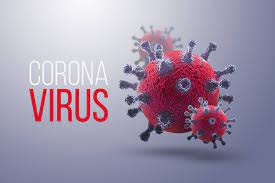
Covid JN 1 Variant is a mutated form of Omicron with a distinct change in its spike protein — the part of the virus that allows it to bind to human cells. This minor but crucial mutation could influence how contagious it is or how well it evades the immune response. This is why global and Indian health authorities are carefully monitoring its development.
📈 Is Covid JN 1 Variant More Transmissible or Dangerous?
Early indicators suggest that Covid JN 1 Variant may spread faster than some previous sub-variants. However, despite the increased transmission rate, the majority of cases have presented mild symptoms, with few requiring hospitalization. At present, there’s no evidence that it causes more severe illness than earlier variants.
🤒 Typical Signs of Covid JN 1 Variant Infection
Although they can manifest differently, symptoms associated with the Covid JN 1 Variant variant are similar to those of earlier Omicron strains.
The majority of patients say:
- A slight fever
- Cough (dry or marginally productive)
- A sore throat
- Runny nose or congestion of the nose
- A headache
- Muscle or body aches
- Weariness
Less frequently, some people might encounter:
- Having diarrhea
- Feeling queasy
Curiously, Covid JN 1 Variant is less commonly linked to loss of taste or smell, which was once a defining feature of COVID-19.
🧪 How is the Covid JN 1 Variant Diagnosed?
Diagnosis follows standard COVID-19 protocols:
- RT-PCR Test: Considered the gold standard for detecting the virus.
- Rapid Antigen Tests (RATs): Useful for quick results but less reliable in asymptomatic or early-stage infections. Positive RAT results should be followed by RT-PCR confirmation when necessary.
💊 Treatment Options for JN.1-Related COVID-19
For Mild Cases:
- Rest and hydration to support recovery
- Paracetamol for fever and body aches
- Steam inhalation and gargling to ease sore throat or nasal congestion
- Monitor oxygen saturation and temperature regularly
For Severe Cases:
- Oxygen therapy, if blood oxygen levels fall
- Antiviral medications for high-risk or hospitalized patients
- Steroids in cases of lung inflammation
- IV fluids in cases of dehydration or hospitalization
- ICU care for life-threatening complications
💉 Do Existing Vaccines Protect Against Covid JN 1 Variant?
While JN.1 includes new mutations, experts believe that existing vaccines — particularly with booster doses — continue to provide strong protection against severe illness and hospitalization. Vaccinated individuals generally experience milder symptoms and recover faster.
🛡️ Precautionary Measures to Stay Safe
With cases rising, reinforcing safety habits is crucial:
- Wear masks in public, especially in crowded or poorly ventilated places
- Wash hands frequently or use hand sanitizer with at least 60% alcohol
- Maintain safe physical distance in social and public settings
- Avoid going out if symptomatic to reduce community spread
- Improve air circulation indoors — open windows, use fans, or air filters
- Get tested promptly if you develop symptoms
- Stay updated with official advisories and vaccination schedules
🏥 Need Medical Guidance?
If you suspect a COVID-19 infection or have questions about the JN.1 variant, consult a healthcare provider immediately. Early diagnosis and timely care can help prevent complications. At Max Hospital, our infectious disease experts are equipped to provide thorough evaluations and personalized care plans.
❓ Frequently Asked Questions (FAQs)
🕒 How much time does it take to recover?
Mild cases typically resolve in 5–7 days. Recovery may take longer for seniors or those with chronic illnesses.
🔁 Can someone catch JN.1 after recovering from COVID-19 earlier?
Yes, reinfection is possible, especially if the previous infection was months ago or if vaccination is outdated.
🤧 How do I tell the difference between the flu and JN.1?
Both have overlapping symptoms. However, COVID-19 testing is the only reliable method for diagnosis.
🏥 Is JN.1 leading to more hospitalizations?
Thus far, hospital admissions have not increased noticeably.
Most cases remain manageable at home.
✈️ Are there new travel restrictions?
Currently, no specific travel bans are in place. However, follow general COVID-19 safety measures while traveling.
🔄 Can JN.1 cause reinfection more easily?
Preliminary data suggests a slightly higher chance of reinfection, especially in unboosted or previously infected individuals.
🔬 Should high-risk individuals test more often?
They should test as soon as symptoms appear, even if mild, to enable timely intervention.
Stay cautious. Stay informed. Stay protected.


Pingback: Why The Wheel of Time Was Cancelled 2025. - Zenpill