
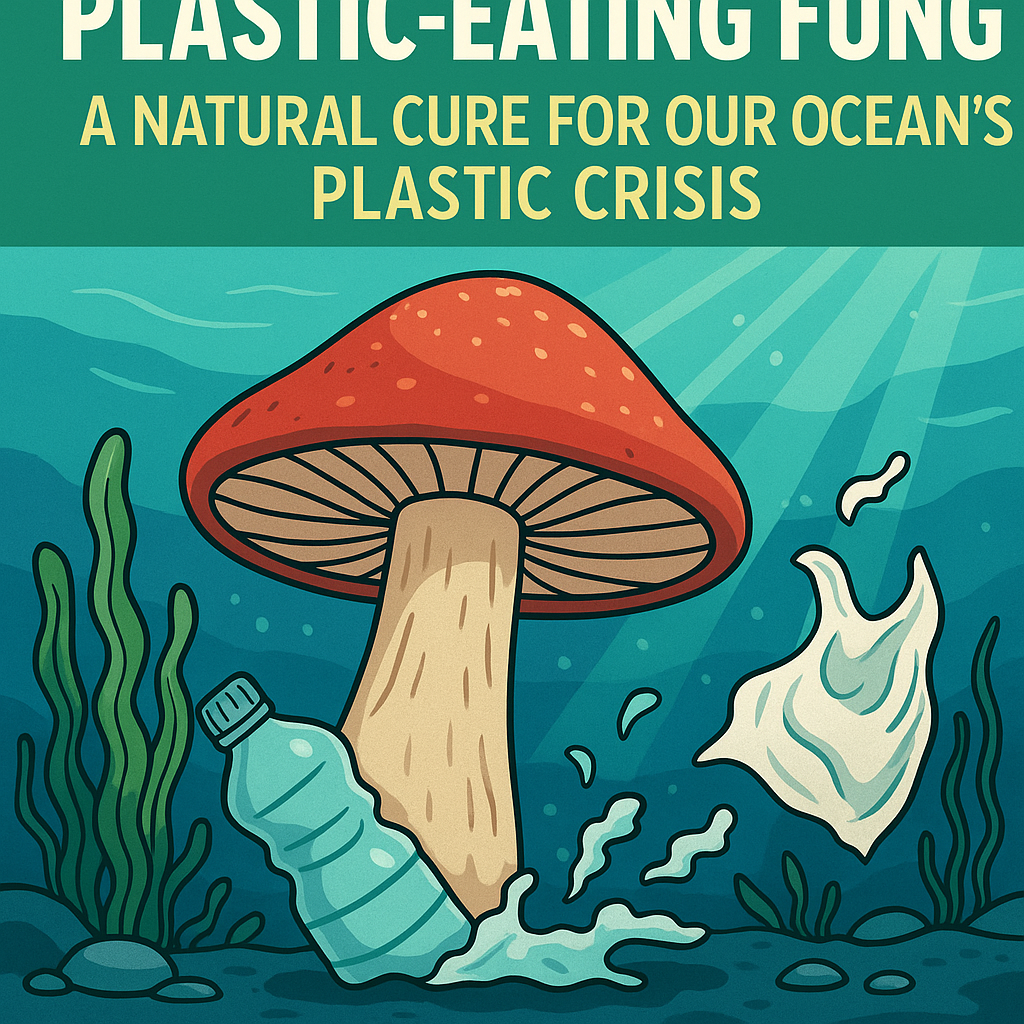

Fungi That Eat Plastic: Plastic pollution has become a global environmental disaster, especially in oceans where marine life is being severely affected. But scientists have discovered something promising — fungi capable of breaking down plastic. Even more exciting, some fungi can turn plastic into water and carbon dioxide, leaving behind no toxic residue.
Here’s a complete breakdown of this groundbreaking discovery in a simple, informative, and pointwise blog:
Table of Contents Fungi That Eat Plastic
📌 1. The Ocean Plastic Crisis
- Over 400 million tons of plastic are produced annually worldwide.
- A significant portion ends up in rivers and oceans, harming sea creatures and disrupting marine ecosystems.
- Plastics take up to 1,000 years to decompose naturally.
- Ocean plastic has created massive garbage patches, such as the Great Pacific Garbage Patch, which is now larger than France.
📌 2. Existing Solutions Aren’t Enough
- Recycling rates are low, with only about 9% of plastic being recycled globally.
- Incineration releases harmful gases, adding to air pollution.
- Landfilling creates long-term waste management issues.
- Bioplastics, while promising, still require special processing conditions.
📌 3. Fungi Enter the Scene: Nature’s Plastic Eaters
Several types of fungi have been discovered that can decompose plastic efficiently. The key fungi include:
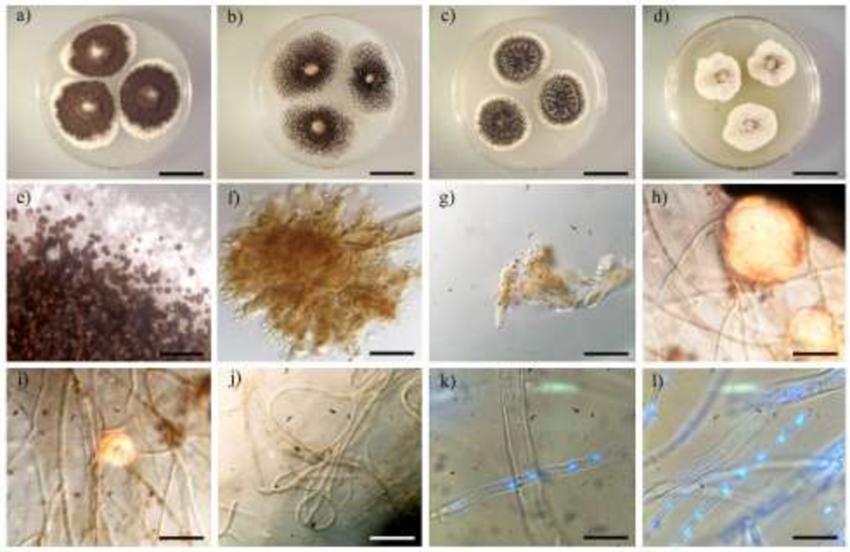
🍄 a. Aspergillus tubingensis
- Discovered in a waste dump in Pakistan.
- Capable of breaking down polyurethane, a common plastic in electronics and furniture.
- Works by releasing enzymes that break plastic bonds.
🍄 b. Pestalotiopsis microspora
- Found in the Amazon rainforest by Yale researchers.
- Can break down plastic even in oxygen-free environments, making it effective in oceans and landfills.
📌 4.Fungi That Eat Plastic Latest Discovery: Fungi That Turns Plastic Into Water 💧
A major breakthrough was published in early 2025 by researchers in Australia.
🔬 Fungal Species:
- Aspergillus terreus
- Engyodontium album
🧪 Key Highlights of Fungi That Eat Plastic:
- These fungi decomposed 100% of polyester polyurethane in just 140 days.
- The only byproducts were carbon dioxide and water — no toxins or microplastics left behind.
- This makes it one of the cleanest biological solutions for plastic degradation ever recorded.
📌 5. How Fungi Break Down Plastic
- Fungi secrete enzymes that break the long chains of plastic molecules into smaller, biodegradable components.
- These components are then absorbed by the fungi as a source of carbon and energy.
- In some cases, the fungi use plastic as their sole nutrient source, meaning they can survive entirely on plastic waste.
📌 6. Advantages of Plastic-Eating Fungi
- ✅ Non-Toxic Decomposition: No harmful byproducts.
- ⏱️ Fast Action: Works in weeks instead of centuries.
- 🌎 Eco-Friendly: Safe for soil, water, and air.
- 🌡️ Versatile: Effective in various climates and environments, including landfills and underwater zones.
- 🔄 Sustainable: Can be grown and maintained cheaply at scale.
📌 7. Real-World Potential and Applications
Researchers are working on practical ways to use these fungi to solve real-world problems:
- 🧪 Bioreactors: Facilities where fungi break down industrial plastic waste.
- 🌊 Floating ocean devices: Bio-buoys with fungi that consume ocean plastic.
- 🧴 Fungi-infused packaging: Plastic packaging embedded with fungal spores for self-degradation.
- 🧺 Home composting kits: Safe fungal additives to help decompose plastic waste at the household level.
📌 8. Challenges Ahead
While fungi offer great potential, some hurdles remain:
- Environmental control: Fungi need specific humidity, temperature, and conditions to thrive.
- Selective action: Not all fungi can degrade all plastic types.
- Biosecurity concerns: Some fungal strains might disrupt ecosystems if released without control.
- Time and cost: Industrial-scale use still requires investment in infrastructure and technology.
📌 9. How Fungi Compare to Other Plastic-Degraders
| Method | Efficiency | Toxic Byproducts | Time Taken | Cost |
|---|---|---|---|---|
| Traditional Recycling | Medium | None | High | Moderate |
| Burning | High | Yes (toxic gases) | Low | High |
| Bioplastics | Low–Medium | None (in compost) | Medium | High |
| Plastic-eating fungi | High (selective) | No | Low–Medium | Low–Medium |
📌 10. Future of Fungi in Combating Plastic Waste
- 🌍 Governments and researchers are now focusing on biotechnological applications of fungi in environmental cleanup.
- 💼 Startups and universities are exploring how to scale fungi into waste management systems.
- 📢 Public awareness campaigns are needed to promote the use of fungal biodegradation in everyday life.
- 🔬 Synthetic biology could help create engineered fungi that target multiple types of plastics more efficiently.
🧠 Did You Know?
In addition to fungi, scientists have also discovered:
- Mealworms that digest plastic.
- Wax moth larvae that consume polyethylene.
- Bacteria in cow stomachs that break down synthetic polymers.
Yet, fungi outperform them in speed and environmental safety, especially in low-oxygen areas like landfills or ocean floors.
📌 Final Thoughts
Nature often holds the solution to the problems we’ve created. The discovery of fungi that can eat plastic and turn it into water could be a major step toward a cleaner, healthier planet. While there’s still a long journey ahead, combining science, innovation, and nature may be the way forward in solving the plastic pollution crisis.

