

It’s something most folks grew up consuming, and it is still a part of our day by day diet. However, have you ever ever puzzled why cream forms on milk, what milk is absolutely made from, and what are its health advantages or risks?
Let’s discover all this in a clean, easy, and factor-by way of-factor layout.
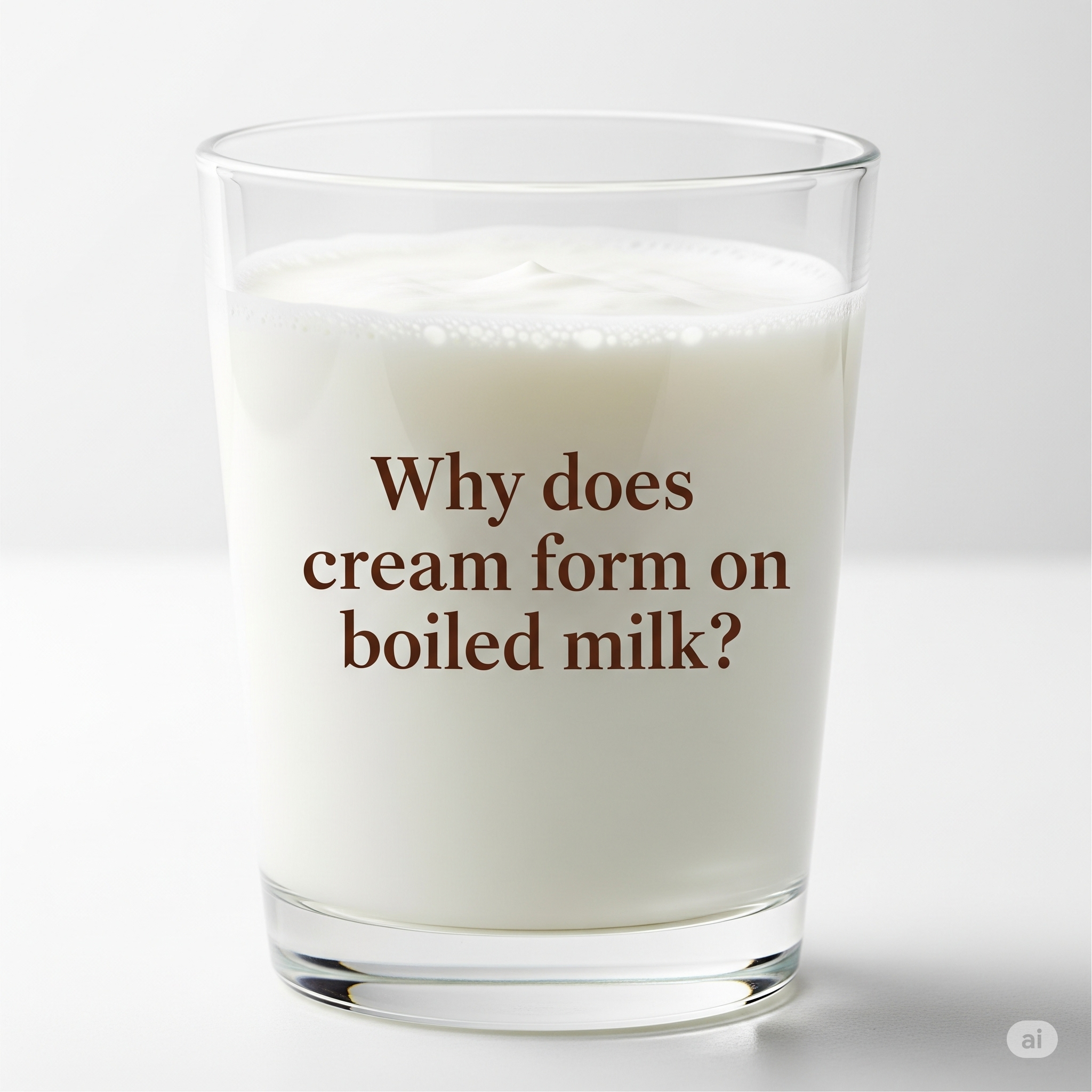
🧁 1. Why Does Cream form on pinnacle of Milk?
- When milk is left undisturbed after boiling, a thick layer of cream (malai) bureaucracy on top.
- This cream is manufactured from milk fats that separates from the liquid component as it cools down.
- In uncooked or full-fat milk, the fat certainly rises to the top due to the fact fats is lighter than water.
- In processed or homogenized milk, cream doesn’t form an awful lot because the fats molecules are damaged into tiny parts and combined lightly.
Key point: Cream bureaucracy on milk due to the fact fats is lighter and separates while the milk cools down.
🥛 2. What’s Milk manufactured from?
Milk is a complete natural meals, that means it contains nearly everything the body wishes. Here’s what it includes:
- Water (about 87%) – maintains you hydrated.
- Fats (3-6%) – offers electricity and enables take in nutrients.
- Protein (three-4%) – Builds muscle mass and repairs body tissues.
- Carbohydrates (mainly lactose) – gives electricity.
- Nutrients – Like A, B2, B12, and D.
- Minerals – specifically calcium, potassium, magnesium, and phosphorus.
A fun truth: Cow milk and buffalo milk have slightly one-of-a-kind compositions. Buffalo milk has greater fats and is creamier.
🍶 3. Styles of Milk
- Raw milk – Direct from animal, unprocessed.
- Pasteurized milk – Heated to kill dangerous bacteria.
- Homogenized milk – Fats particles damaged right down to avoid cream layer.
- Complete cream milk – Excessive-fat milk (complete milk).
- Toned/double toned milk – Lower fat milk.
- Skimmed milk – Almost no fat.
- Plant-based milk – Like almond, soy, oat (dairy-free alternatives).
💪 4. Nutrients in Milk (Per 100ml Approx.)
| Nutrient | Amount |
|---|---|
| Calories | 60–70 kcal |
| Protein | 3.2g |
| Fat | 3.5–6g |
| Carbohydrates | 4.8g |
| Calcium | 120mg |
| Vitamin B12 | 1.1 mcg |
| Vitamin A | 55 IU |
| Vitamin D | Varies |
✅ 5. Health Benefits of Consuming Milk
a. More potent Bones & Tooth
- High calcium and vitamin D help construct bones and save you osteoporosis.
b. Muscle Growth
- Rich in casein and whey proteins which help construct muscle.
c. Energy Boost
- Natural sugars and fats provide quick strength.
d. Right for Brain Development (in children)
- Vitamins like B12 and iodine support mind function.
e. Supports Immune System
- Incorporates zinc and vitamin A.
f. Enables in Weight Control
- High-protein content material keeps you full longer (especially skimmed milk).
g. High-quality Post-Exercise Drink
- Chocolate milk is regularly encouraged after exercising to rebuild muscle.
⚠️ 6. Side Effects and Dangers of Milk
a. Lactose Intolerance
- Some people cannot digest lactose (milk sugar) and might feel bloated or get diarrhea.
b. Acne or Skin Problems
- In some humans, dairy may additionally trigger acne (varies from person to person).
c. Allergies
- Rare but possible – symptoms might include rashes, swelling, or breathing troubles.
d. Hormone Concerns
- Some worry about added hormones in commercially-produced milk. Natural milk is a safer choice.
e. Overconsumption
- Too much milk can result in weight gain or calcium imbalance.
🧠 7. Thrilling Information about Milk
- Milk from different animals (cow, buffalo, goat, camel) has different fat, taste, and blessings.
- Golden milk (milk with turmeric) is an historical Ayurvedic treatment.
- Fermented milk (like yogurt, kefir) is simpler to digest.
- Humans are the only species that drink milk from other animals.
🥛 8. Who Should Drink Milk?
✅ Recommended for:
- Children and young adults (for growth)
- Pregnant and breastfeeding women
- Athletes and gym-goers
- Elderly people (to prevent bone loss)
🚫 Not Ideal for:
- People with lactose intolerance or milk allergy
- Those on a dairy-free or vegan diet
🥤 9. Excellent Time to Drink Milk
- Morning – For energy and nutrients
- Night – Helps in better sleep and muscle recovery
- Avoid with salty or highly spiced food (may cause indigestion)
📝 10. Final Mind
Milk is more than just a white drink – it’s a powerful source of vitamins full of protein, nutrients, and minerals. While it has excellent advantages, it may not suit everyone, so always listen to your body.
Whether you like it plain, as a milkshake, or with turmeric or coffee – milk remains a timeless part of health and culture.
✨ Summary in One Line:
Milk is a natural superfood which can build your body—but only if it fits your system.


Pingback: Engineering Education in India: Where Dreams Die in Classrooms 2025 - Zenpill
Pingback: Harvard University: A Complete Guide to Admissions, Courses, Campus & Legacy (2025 Edition) - Zenpill News
Pingback: IIT India 2025: Full Point-Wise Guide to Courses, Fees, Rankings & Placements - Zenpill News
Pingback: SpaceX Starship Flight 9 Launch: A Giant Leap Forward - Zenpill News
Pingback: Bipolar Disorder Explained: Signs, Triggers, and How to Cope 2025 - Zenpill News
Pingback: GTA 6: Everything We Know So Far – Release Date, Map, Characters & More Right (2026) - Zenpill News
Pingback: Taylor Swift – A Complete Biography & Recent Updates 2025 - Zenpill
Pingback: Air India Crash 2025 - Zenpill
Pingback: Gandhi’s Great-Granddaughter Jailed: A Detailed Insight into the Rs 3.22 Crore Fraud Case - Zenpill
Pingback: Sanjay Kapur: The Billionaire Businessman, His Glamorous Life & Sudden Death 2025 - Zenpill
Pingback: Smartphone Revolution: Exciting Launches in India from July 2025 - Zenpill
Pingback: Tom Hiddleston: An Inspiring Journey from Theater to Marvel’s Loki 2026 - Zenpill