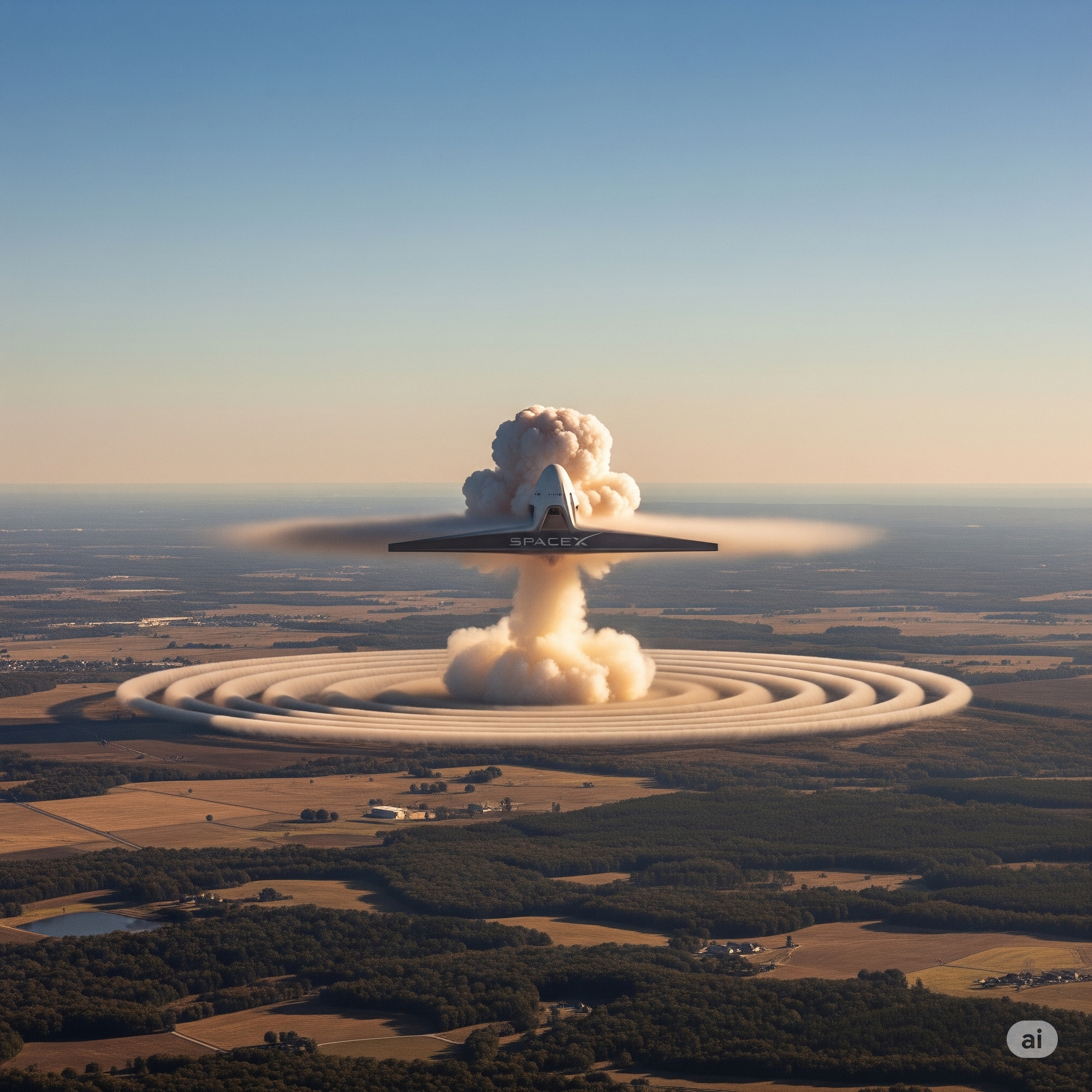

Have you ever heard a loud, thunder-like sound coming from the sky and wondered what it was? If you were near a SpaceX landing site, there’s a good chance it was the sonic boom from the Dragon spacecraft returning to Earth. In this blog, we’ll explore what that booming noise is, why it happens, and what makes SpaceX Dragon’s return so special.
🌌 What Is SpaceX Dragon?
A Quick Intro
SpaceX Dragon is a reusable spacecraft developed by Elon Musk’s SpaceX. It is used to carry cargo—and now even astronauts—to and from the International Space Station (ISS). There are two main versions:
- Cargo Dragon (for supplies)
- Crew Dragon (for astronauts)
A Reusable Marvel
Unlike older spacecraft, Dragon doesn’t just burn up in the atmosphere. It is designed to survive reentry, land safely, and be used again. This is a big part of SpaceX’s mission to make space travel cheaper and more sustainable.
💥 What Is a Sonic Boom?
Breaking the Sound Barrier
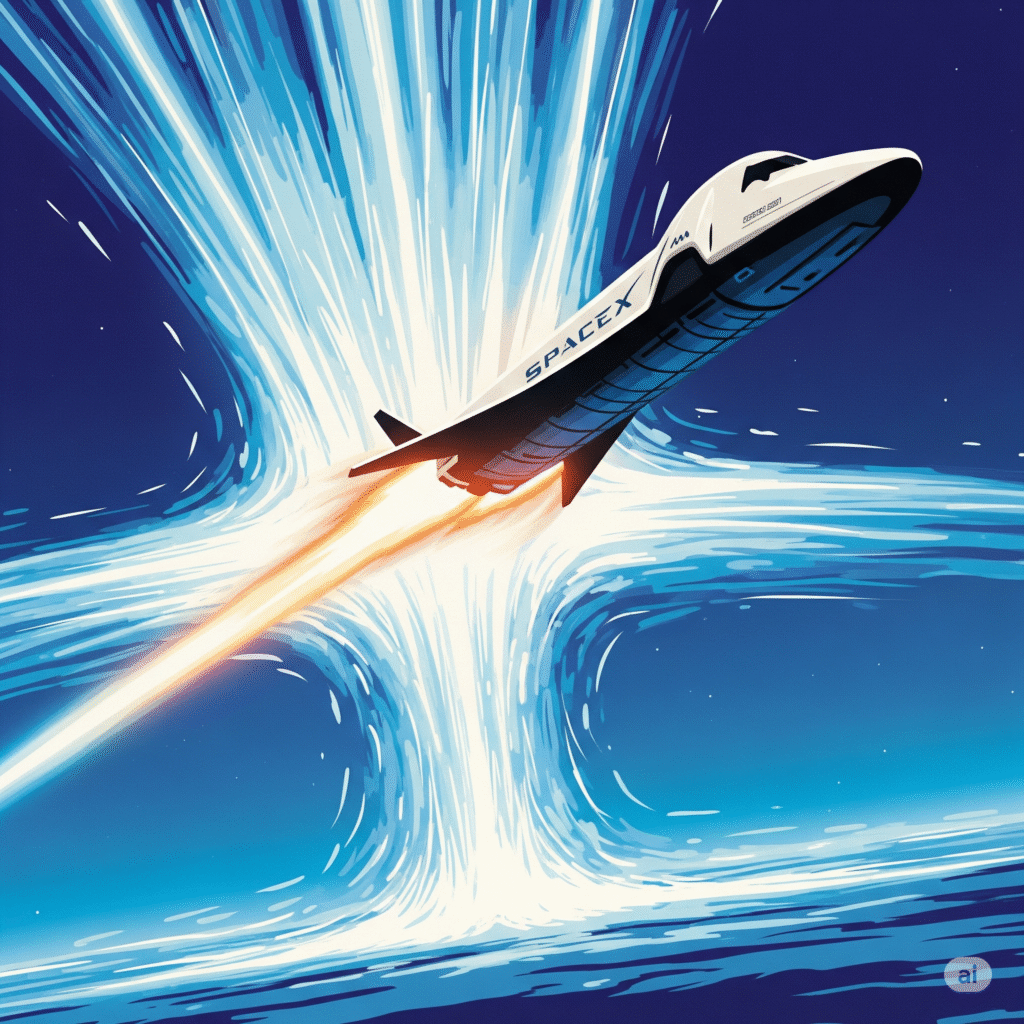
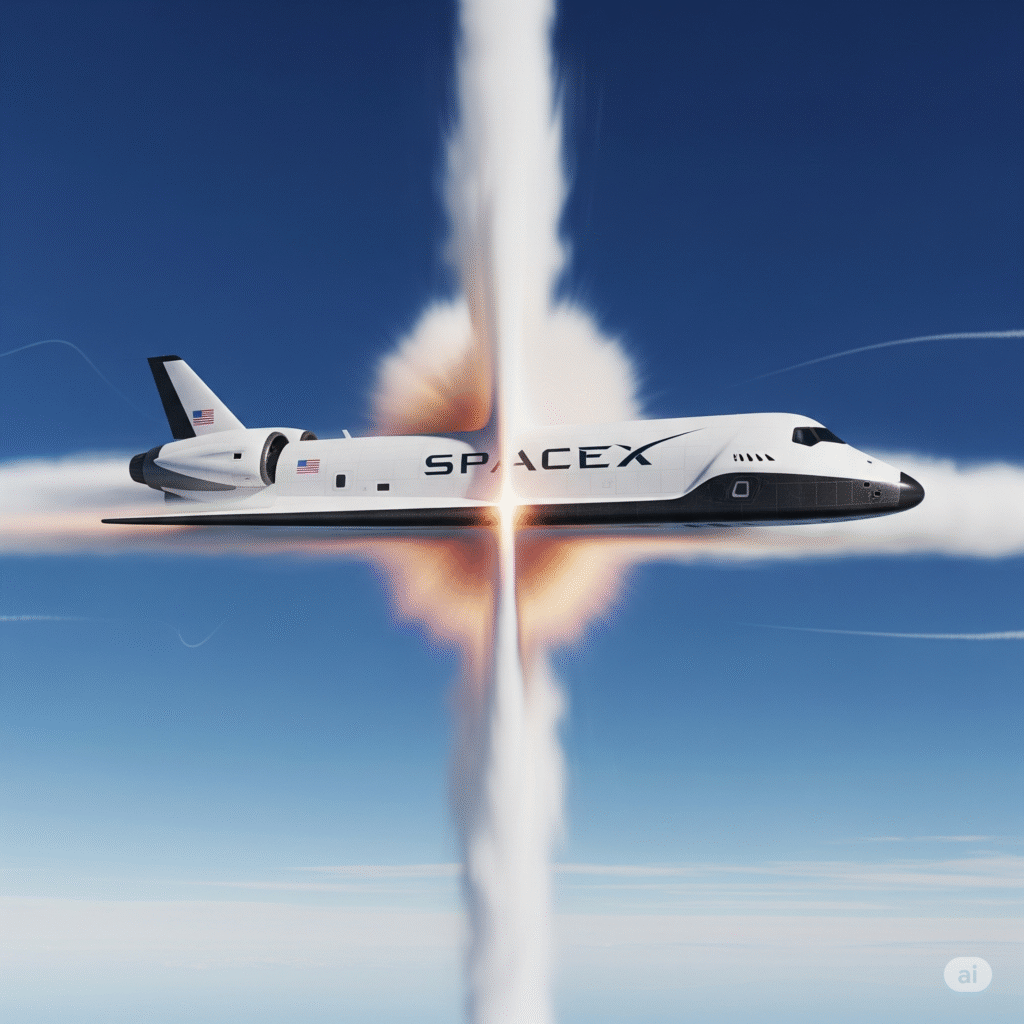
A sonic boom happens when something travels faster than the speed of sound. That “boom” is actually a shockwave created by air molecules getting pushed aside so fast they make a loud bang.
Everyday Examples
- Fighter jets create sonic booms when they go supersonic.
- Meteorites sometimes make booms as they fall.
And now… so does SpaceX Dragon.
🛰️ When Does Dragon Make a Sonic Boom?
During Reentry
When the Dragon spacecraft returns from space, it reenters Earth’s atmosphere at incredible speeds—around 17,000 mph (27,000 km/h). As it slows down and descends, it breaks the sound barrier, creating a loud sonic boom that can be heard over large distances.
A Double Boom?
Some people even report hearing a “double boom.” That’s because different parts of the spacecraft (like the capsule and heat shield) may break the sound barrier at slightly different times.
📍 Where Can You Hear It?
Coastal Areas in the U.S.
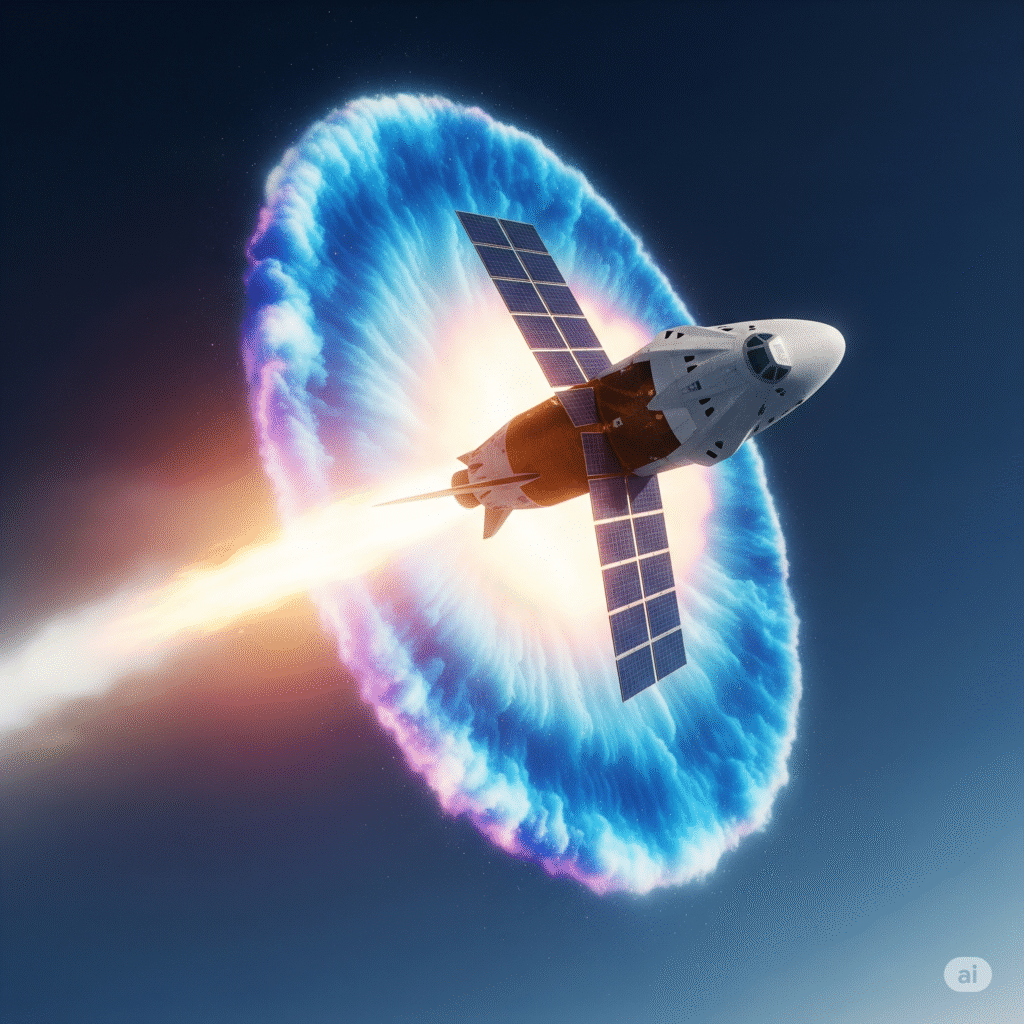
If you live near the Florida Space Coast, where SpaceX often lands its spacecraft, you may have heard this sound. People in cities like Tampa, Orlando, and Miami have sometimes reported hearing the boom.
Over the Ocean
Many Dragon capsules splash down in the ocean, especially in the Gulf of Mexico or Atlantic Ocean. Even then, the sonic boom can travel inland and be heard by people who don’t expect it!
👨🚀 Why Does It Matter?
A Sign of Safe Return
The sonic boom means that the Dragon is on track, coming back through the atmosphere, and nearing the final stages of landing. For mission control—and the astronauts on board—it’s a good sign that everything is going as planned.
Public Awareness
When people hear the boom and don’t know what it is, they sometimes think it’s:
- An explosion
- An earthquake
- Thunder from a storm
That’s why SpaceX often alerts the public before a landing, so people aren’t startled.
🌍 Science Behind the Boom
Shockwave Physics
When Dragon hits the atmosphere, it compresses air in front of it, forming a shockwave. This wave travels to the ground as a pressure disturbance, which we hear as a boom.
Atmospheric Effects
- Weather can affect how far the boom travels.
- Altitude changes how loud it sounds.
- Angle of entry also affects the pattern of the boom.

🛬 The Final Landing
From Boom to Splashdown
After the boom, the Dragon continues its descent. Parachutes deploy to slow it down, and it lands gently in the ocean. Boats are sent out to recover the capsule and crew.
Recovery Crew in Action
SpaceX has a recovery ship ready to pick up the Dragon, the astronauts, and even the parachutes. Within hours, the team is back on land, safe and sound.
📰 Real-Life Example: The Boom Heard in Florida
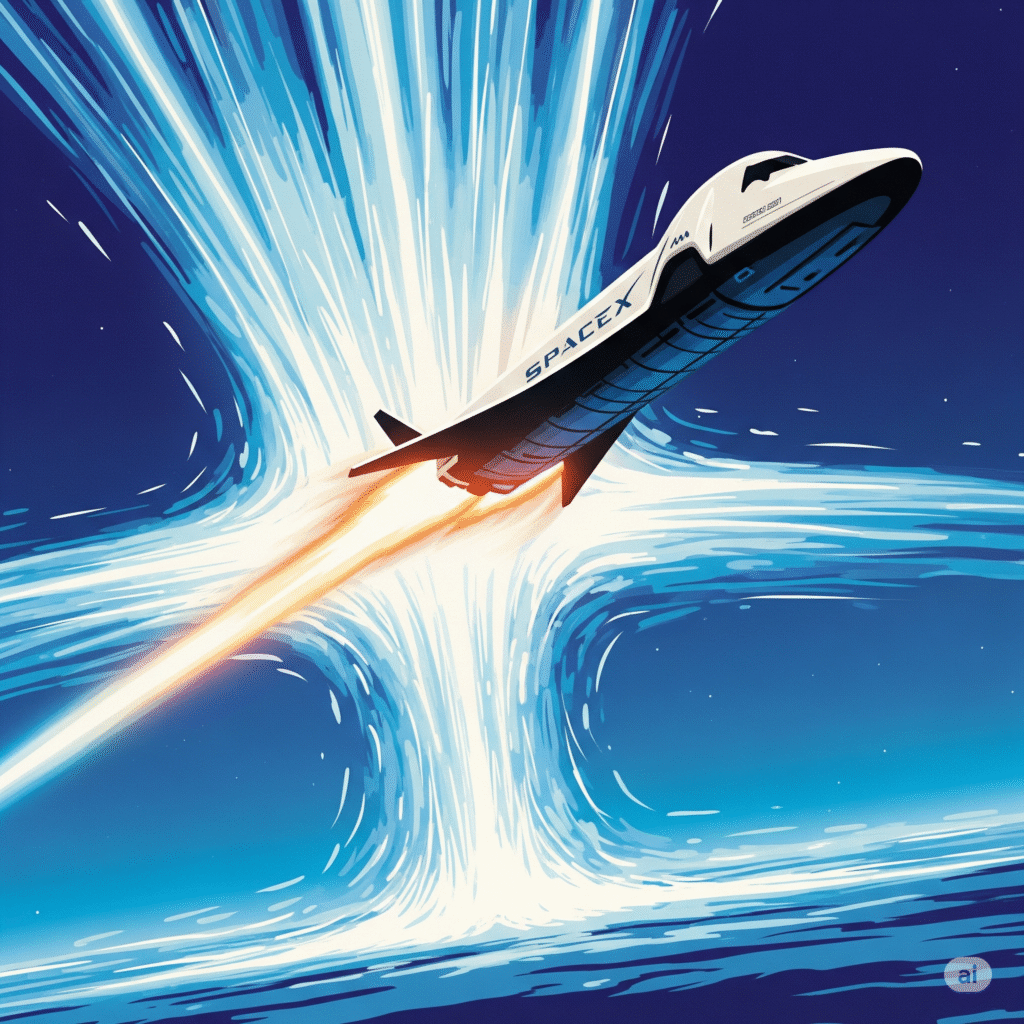
In March 2023, a SpaceX Dragon carrying astronauts from the ISS returned to Earth. As it reentered over Florida, people from Orlando to Jacksonville heard a huge “boom-boom” sound at night.
Many called local news stations, unsure of what had happened. Later, NASA and SpaceX confirmed it was just the Dragon coming home.
📱 Social Media Reactions
Viral Booms
When a sonic boom happens, people take to Twitter, Instagram, and Facebook to share:
- Videos
- Audio recordings
- Funny memes and reactions
It’s a mix of confusion and excitement. Some even say, “That boom was the sound of space coming to Earth.”
🧠 Fun Facts About Sonic Booms and Dragon
- SpaceX lands more spacecraft than any company in the world.
- The first sonic boom from a Dragon was heard in 2010.
- Sonic booms can sometimes rattle windows!
- NASA and SpaceX have apps and websites where you can track reentries in real time.
🛸 Is It Dangerous?
Not at All
The sonic boom itself doesn’t cause any harm. It’s just sound—loud sound—but no different from thunder or fireworks. Still, if you’re not expecting it, it can be scary.
Safety First
That’s why communication is key. SpaceX usually works with local authorities and media to make sure people are aware of upcoming landings.
🔭 The Future of Sonic Booms
More Booms Coming
As space travel grows, and more private companies like SpaceX, Blue Origin, and others start returning spacecraft to Earth, sonic booms may become more common—especially in launch-heavy areas like Florida and Texas.
Quieter Tech?
NASA is already researching ways to make “quieter” sonic booms using new shapes and materials. One day, you might not even hear the boom!
📝 Final Thoughts
The SpaceX Dragon sonic boom is not just a loud noise—it’s a symbol of progress. It shows that:
- Humans are returning safely from space
- Reusable spacecraft are working
- We’re entering a new era of space exploration
So next time you hear a deep BOOM from the sky, it might just be a Dragon coming home. 🐉🌍
Did you hear a sonic boom recently? Share your experience in the comments below!